7 Home Upgrades to Reduce Your Carbon Footprint and Energy Bill
Looking to save money and help the planet, but not sure where to get started? Look no further than your home. Upgrade with energy-efficient appliances, solar panels, and more, to reduce emissions and utility bills.
Key Takeaways
Energy-efficient home improvements are critical to homeowner savings and sustainability.
There are a variety of home improvements homeowners can make to save money.
GoodLeap financing makes it easier than ever to make sustainable home upgrades.
Looking to make a real difference for your wallet and the planet? Start at home. Nearly 42% of U.S. energy-related emissions come from decisions in the home — like how we power, heat, and cool our spaces. Thoughtful upgrades can shrink your carbon footprint and cut monthly utility bills while creating a healthier, more resilient home.
The seven upgrades that can make a major difference:
Install a solar system
Add a home battery
Upgrade to a high-efficiency HVAC
Switch to energy-efficient windows
Install a smart thermostat
Consider water-saving turf
Upgrade to an energy-efficient roof
Here's how each one helps, and how to pay for it.
1. Install a Solar System
Solar panels allow you to generate clean electricity right from your rooftop. By harnessing sunlight, you reduce reliance on the utility grid and protect yourself from rising energy costs.
Benefits:
Lower monthly electricity bills
Long-term energy independence
Reduced carbon footprint
Explore the benefits of going solar.
2. Add a Home Battery

A solar battery stores extra energy from your panels for use later—like at night or during outages. It helps you maximize your solar investment and keeps your home running when the grid is down.
Benefits:
Backup power for peace of mind
Protects against peak energy rates
Increases overall efficiency of your solar system
Learn more about why you might need a home battery.
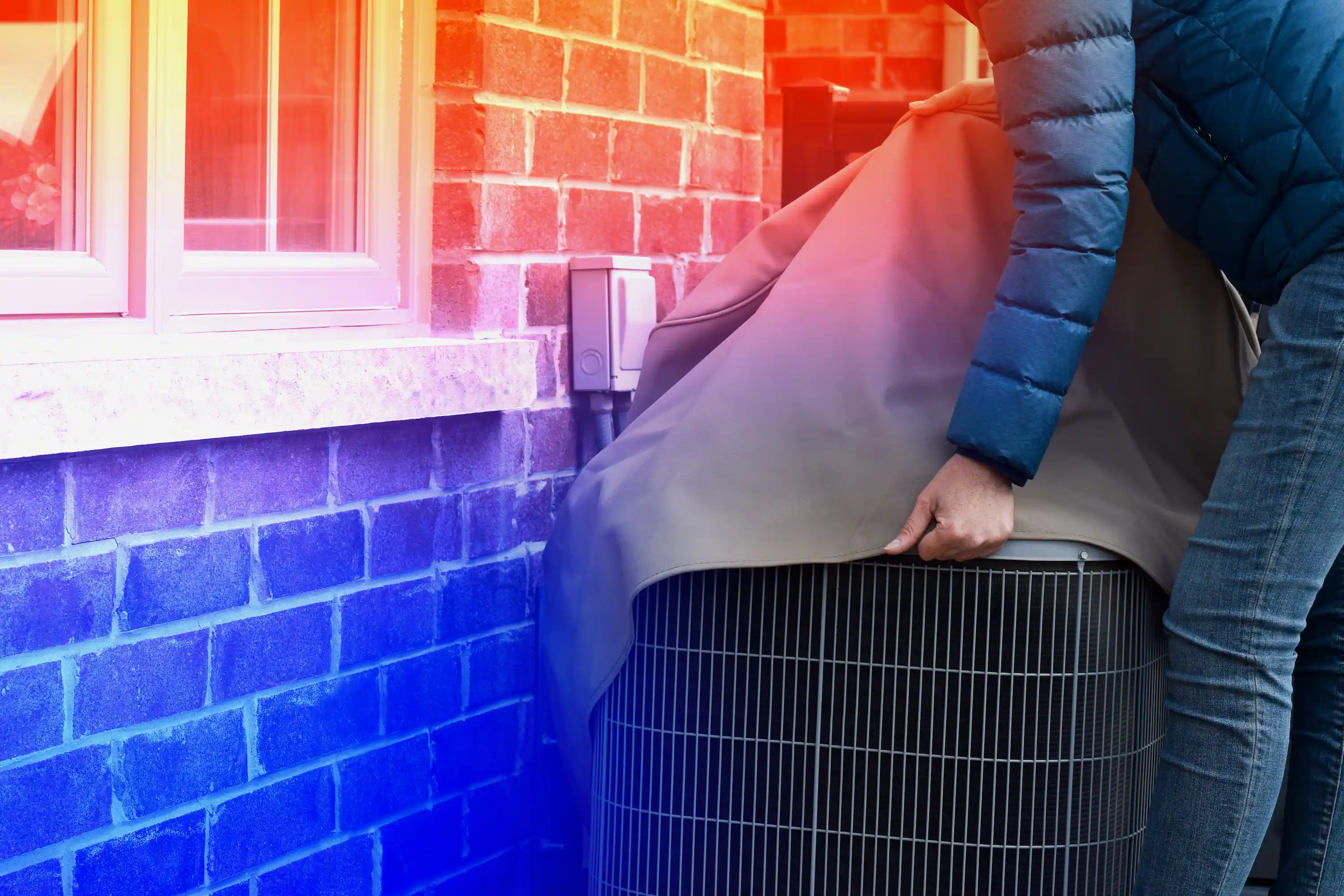
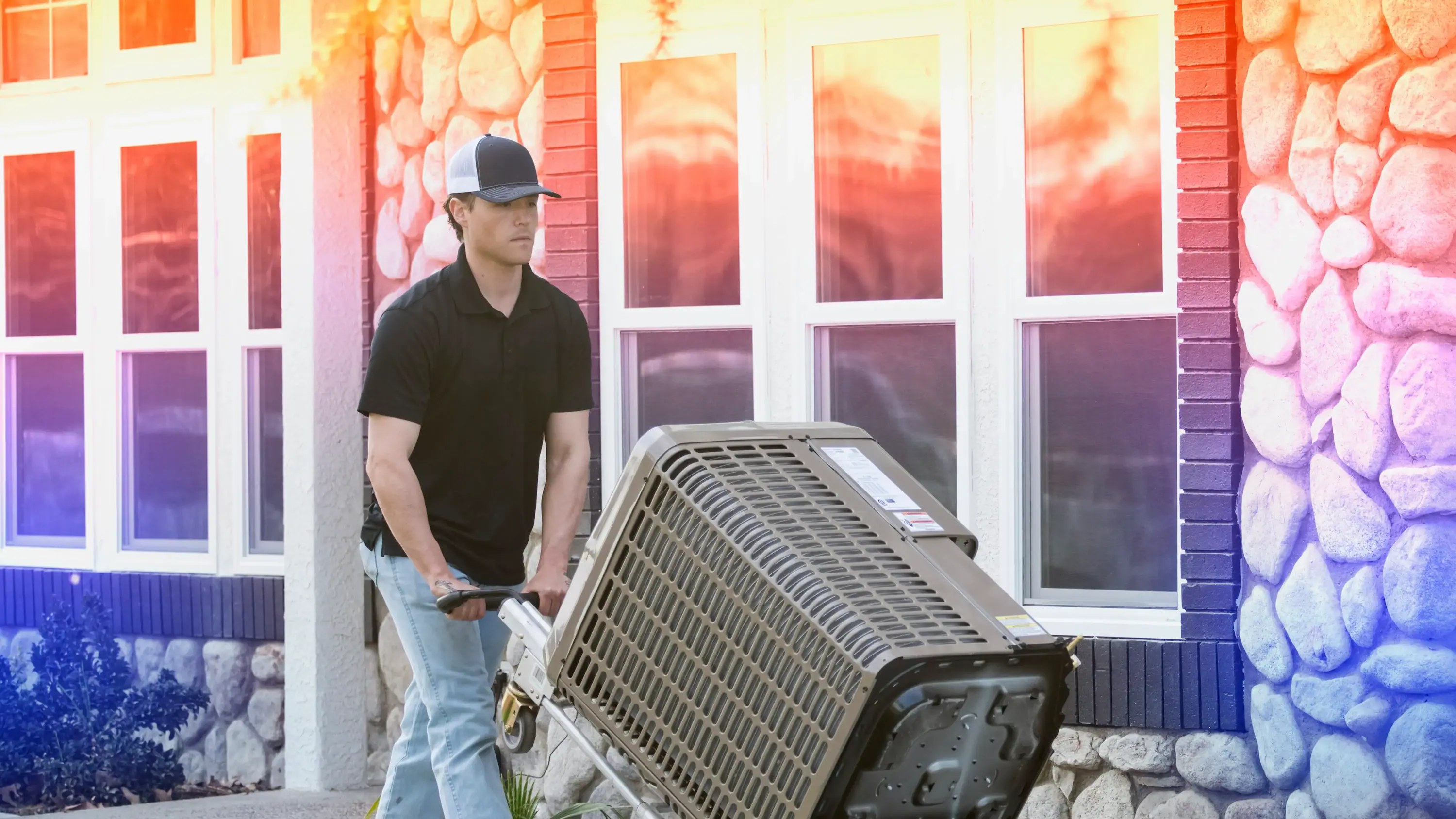
3. Upgrade Your HVAC System
Heating and cooling account for nearly half of household energy use. If your system is older, replacing it with a high-efficiency HVAC can cut costs and improve comfort year-round.
Benefits:
Lower monthly energy use
Cleaner indoor air quality
Consistent comfort in every season
Take a look at the signs it might be time to upgrade your HVAC.
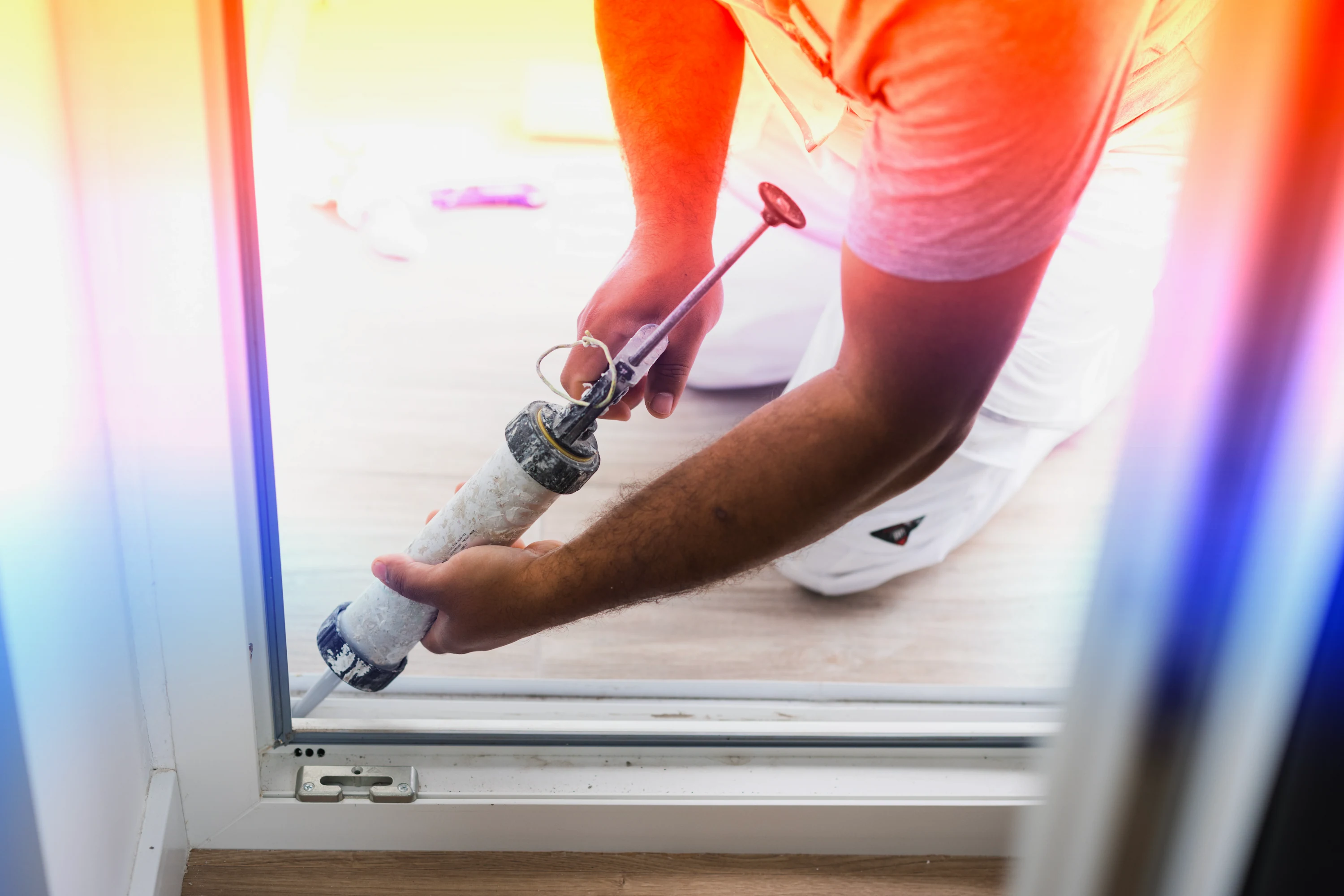
4. Switch to Energy-Efficient Windows
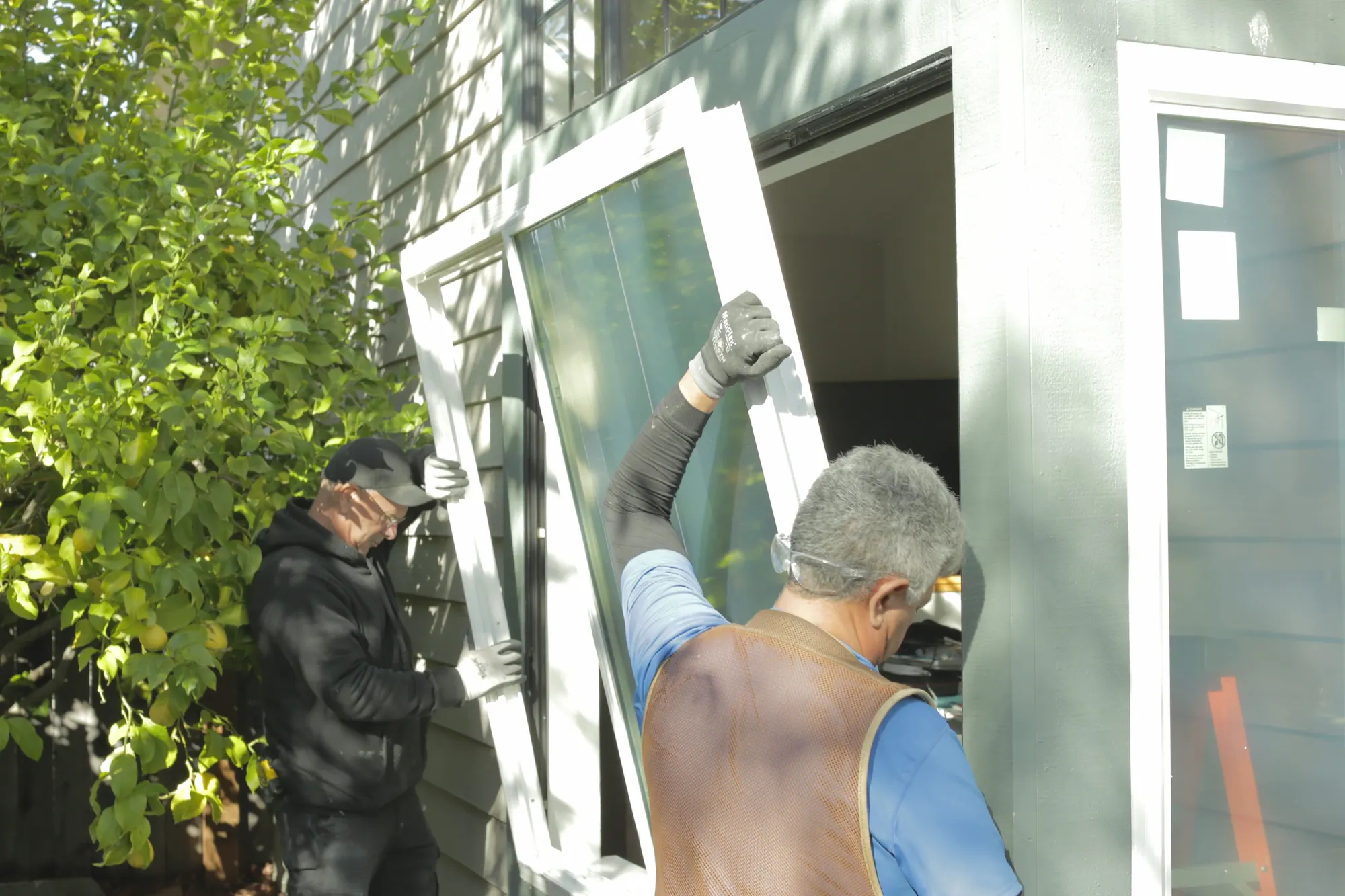
Windows play a major role in regulating your home’s temperature. Drafty, outdated windows can cause heating and cooling systems to work overtime.
Benefits:
Reduced energy waste
Better home insulation
Lower utility bills
5. Install a Smart Thermostat
Smart thermostats learn your habits and automatically adjust temperatures to save energy when you’re away. They can be controlled from your phone, making it easy to monitor energy use.
Benefits:
Customized heating and cooling schedules
Up to 10–15% savings on energy bills
Simple controls through an app or voice command
How smart thermostats can save homeowners money.
6. Consider Water-Saving Turf
Traditional lawns require heavy irrigation, which wastes water and raises utility costs. Synthetic or drought-resistant turf provides a green look with a fraction of the water.
Benefits:
Significantly reduced water usage
Lower landscaping maintenance
Sustainable, year-round curb appeal

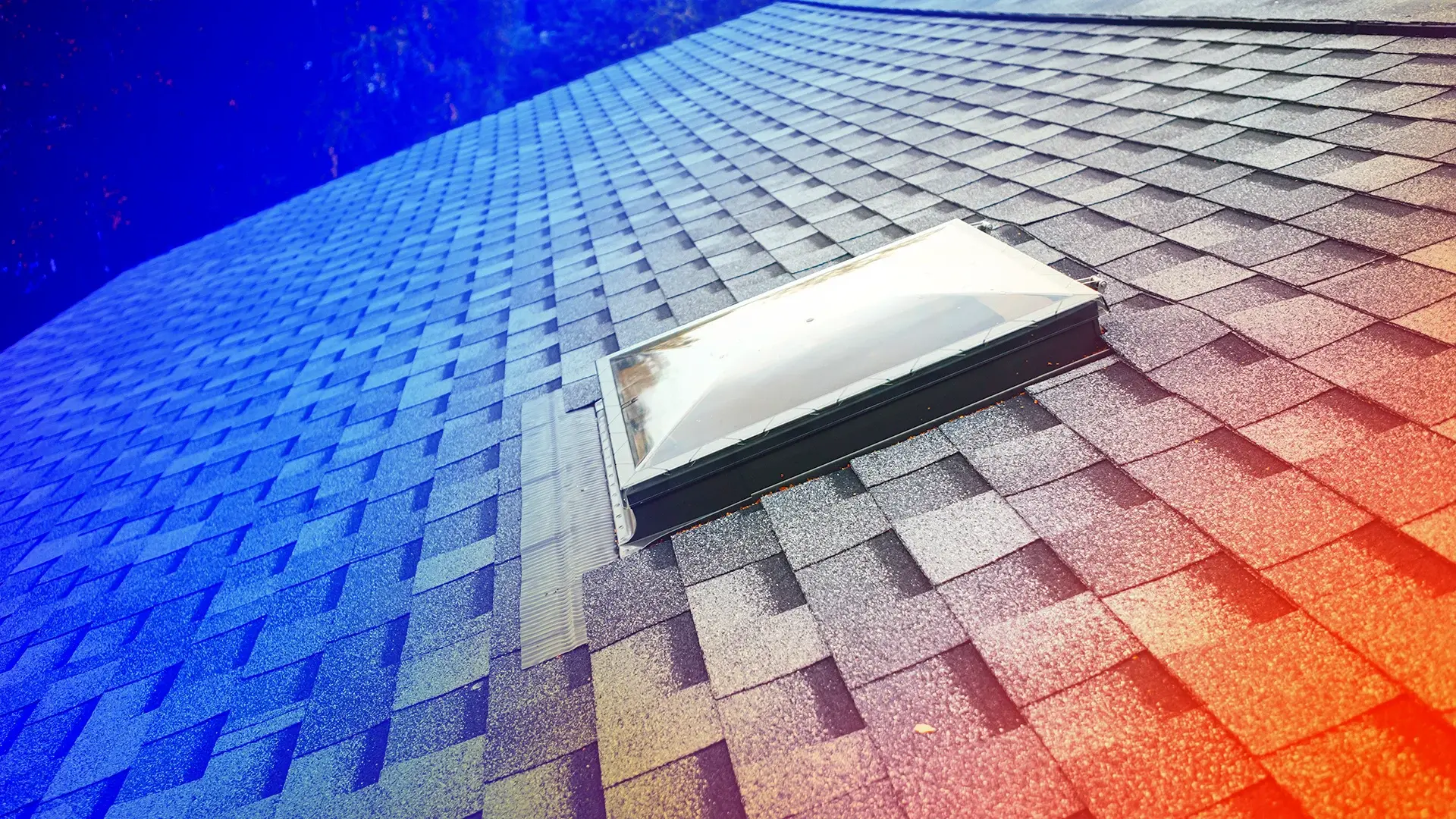
7. Upgrade Your Roofing
A durable, energy-efficient roof helps regulate temperature by keeping heat in during winter and reflecting sun in summer. Insulated and ventilated roofing also reduces strain on HVAC systems.
Benefits:
Improved insulation and comfort
Lower long-term energy costs
Increased home value and protection
Have you heard of Cool Roofing? Learn more about this unique roofing option.
Don’t Forget: You Have Financing Options
Big upgrades don’t have to mean big upfront costs. Homeowners today have access to flexible financing options that make energy-efficient improvements more affordable.
See how GoodLeap makes financing upgrades easier.
Final Takeaway
From solar panels to smart thermostats, these home upgrades can make a lasting difference—for your budget and for the environment. By choosing even one, you’ll take an important step toward reducing your carbon footprint, saving on energy bills, and creating a smarter and more sustainable home for the future.
Want to learn more? Dive into your home’s unique needs with pro-tips from a professional home energy audit.
Frequently Asked Questions
What home upgrades save the most energy?
Heating and cooling account for nearly half of home energy use, so a high-efficiency HVAC and smart thermostat deliver some of the fastest savings. For the biggest long-term impact, solar panels paired with a home battery reduce your reliance on the grid and protect against rising rates.
How can I make my home more energy efficient?
Start by sealing drafts and upgrading to a smart thermostat, then address bigger systems like HVAC, windows, and roofing. Adding solar and a home battery takes efficiency further by letting you generate and store your own clean power.
What home improvements reduce your carbon footprint?
Solar panels, a home battery, a high-efficiency HVAC, energy-efficient windows and roofing, a smart thermostat, and water-saving turf all cut the emissions tied to how you power, heat, and cool your home.