How Can I Reduce My Energy Bill? 5 Proven Ways

Energy costs keep climbing, but you have more control than you think. Here are five proven ways to reduce your energy bill — from a home energy audit and weatherstripping to smart devices, efficient appliances, and rooftop solar.
Key Takeaways
Making big or small investments to your home can have major impact on your monthly energy bill.
More than half of annual energy consumption is from space heating and air conditioning.
Lowering your monthly energy bill often leads to a smaller carbon footprint.
Does your energy bill keep creeping up? You're not alone. Residential electricity rates have jumped more than 30% from 2020 to 2025, rising nearly twice as fast as inflation — and they've kept climbing in 2026. With energy costs showing no signs of slowing, many homeowners are looking for practical ways to cut consumption and lower monthly bills.
The good news: reducing your home's energy use doesn't have to be complicated or costly. Whether you're ready to invest in bigger upgrades or prefer small DIY improvements, these five strategies can help you save money, boost comfort, and make your home more energy efficient year-round.
1. Conduct a Home Energy Audit
A home energy audit is one of the smartest first steps toward long-term savings. A professional auditor assesses how your home uses energy and pinpoints where you're losing it — air leaks, insulation gaps, or outdated systems.
The Residential Energy Services Network (RESNET) offers a directory of certified home energy assessors who can help you prioritize the most effective upgrades.
💡 Tip: Many utilities offer free or discounted energy audits, so make sure to check your provider's website before booking privately.
2. Weatherstrip Your Doors and Windows
Heating and cooling account for more than half of the average home's energy use, yet much of that energy literally slips through the cracks.
Adding weatherstripping around doors and windows is an easy, low-cost fix that prevents air leaks, improves comfort, and reduces the strain on your HVAC system. Most materials are available at hardware stores and can be installed in under an hour with basic tools. Learn more about keeping your windows in top shape here.

3. Add Smart Devices
Smart home technology makes saving energy easier and more intuitive. Smart thermostats automatically adjust temperatures to your schedule, reducing heating and cooling costs by roughly 8–15% depending on the device and your habits (ENERGY STAR estimates about 8% for certified models).
Other devices like smart plugs, lighting systems, and power strips help cut "energy vampire" usage, which are electronics that drain power even when turned off.
4. Upgrade to Energy-Efficient Appliances
Switching to ENERGY STAR® certified appliances can make a big difference over time, with ENERGY STAR certified homes are at least 10% more energy efficient than other homes.
With space heating and cooling making up about 52% of home energy use, and water heating, lighting, and refrigeration another 25% (U.S. Energy Information Administration), upgrading your most-used systems like your HVAC, water heater, or refrigerator, delivers the biggest long-term savings.
5. Go Solar
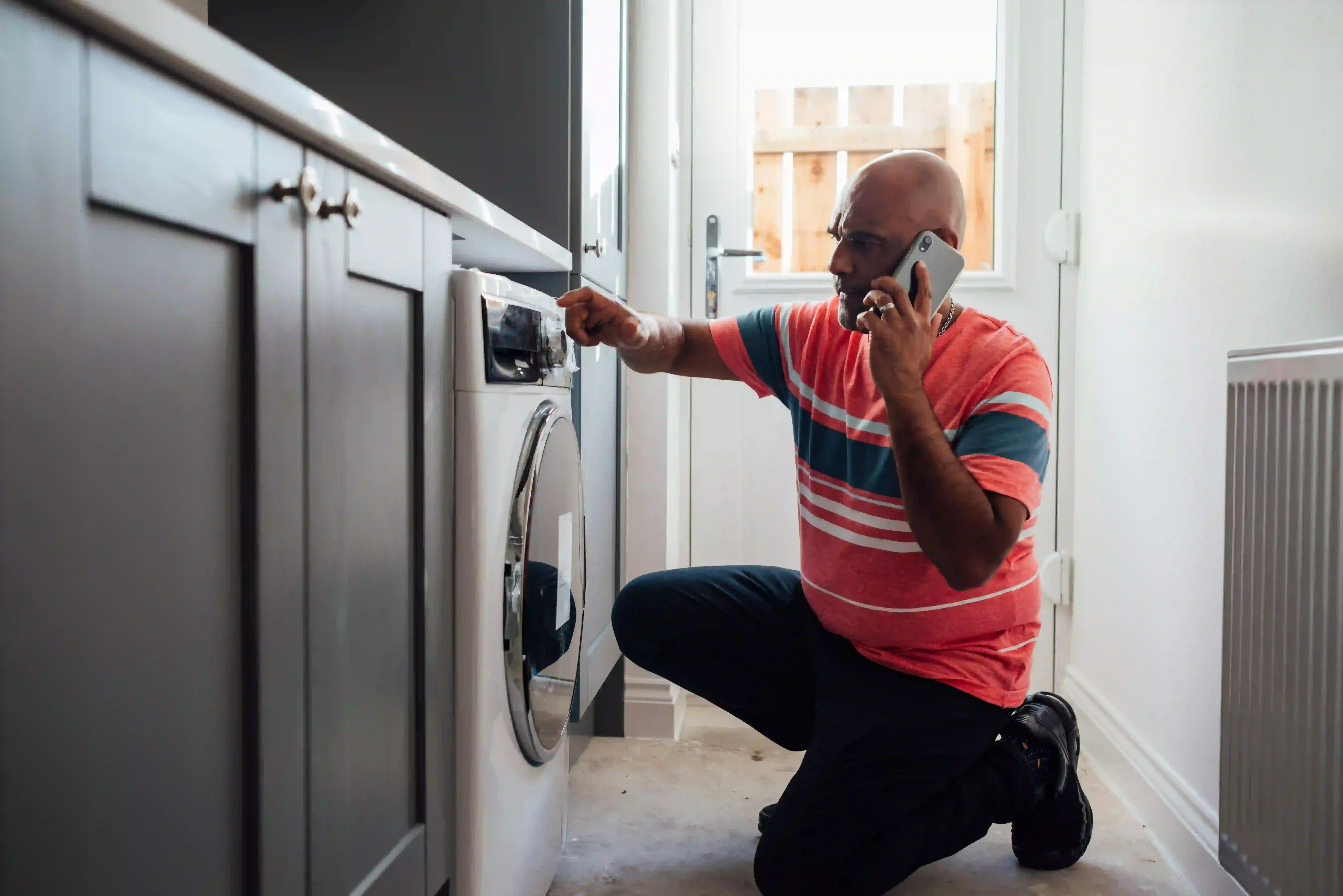
Investing in rooftop solar panels is one of the most impactful ways to lower your electricity costs and protect against rising utility rates. Solar lets you generate your own clean power, reducing monthly bills while increasing your home's resilience, especially when paired with a home battery for backup during outages.
Beyond savings, solar can also increase your home's value — about 4% on average, according to Lawrence Berkeley National Lab and Zillow, with premiums of 5–10% in high-value markets like California. Check out our guide on the factors to consider before going solar.
The Bottom Line
Energy costs may be rising, but homeowners have more control than ever. From simple weatherproofing projects to investing in solar, each step improves efficiency, cuts costs, and helps create a more sustainable home. The bigger upgrades here — solar, HVAC, smart devices, and efficient appliances can be financed through GoodLeap's participating contractors, so you can start saving without paying upfront.
Frequently Asked Questions
How can I lower my electricity bill?
Start with low-cost steps like a home energy audit and weatherstripping to seal air leaks, then add smart devices such as a smart thermostat. For larger, longer-term savings, upgrade to energy-efficient appliances or install rooftop solar.
What uses the most energy in a home?
Space heating and air conditioning account for about 52% of a home's energy use, according to the EIA — by far the largest share. Water heating, lighting, and refrigeration together make up another 25%, which is why upgrading these systems saves the most.
Do smart thermostats really save money?
Yes. Smart thermostats reduce heating and cooling costs by automatically adjusting to your schedule — ENERGY STAR estimates around 8% for certified models, and some manufacturers report savings of 10–15% depending on your habits.
Is going solar worth it to reduce energy costs?
For many homeowners, yes. Solar lowers or eliminates your monthly electricity costs and protects against rising utility rates, and it can add roughly 4% to your home's value on average. Pairing solar with a home battery also provides backup power during outages.