Modern Power Outage Preparedness: A Guide to Survival

Stay safe and powered during outages with solar energy and a home battery. Learn FEMA-backed emergency tips and discover how to combine clean energy with smart preparedness to keep your home running during blackouts.
Key Takeaways
Avoid power outages by installing a solar power system and home battery.
Power outages can cause significant damage if homeowners aren’t prepared.
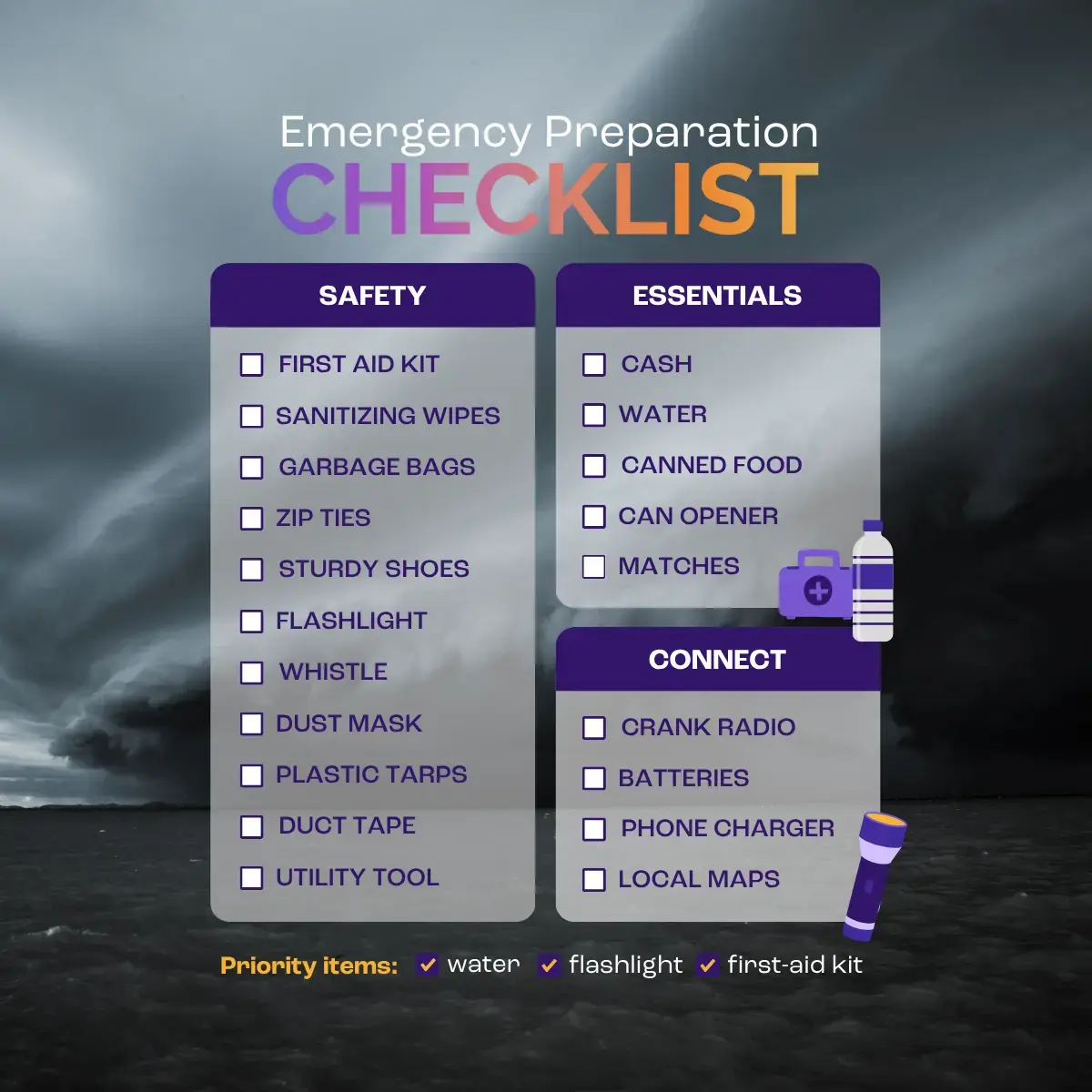
Review our emergency preparation checklist to make sure you have the essentials ready.
Power outages are becoming more frequent and lasting longer as extreme weather events and strain on the power grid increase. Whether it’s a hurricane, wildfire, or heat wave, being prepared helps you stay safe and comfortable when the lights go out.
Using trusted guidance from experts and modern solutions like solar panels and home batteries, you can create a practical plan that keeps your home running no matter what nature throws your way.
How to Avoid a Power Outage with Solar & Home Battery Systems
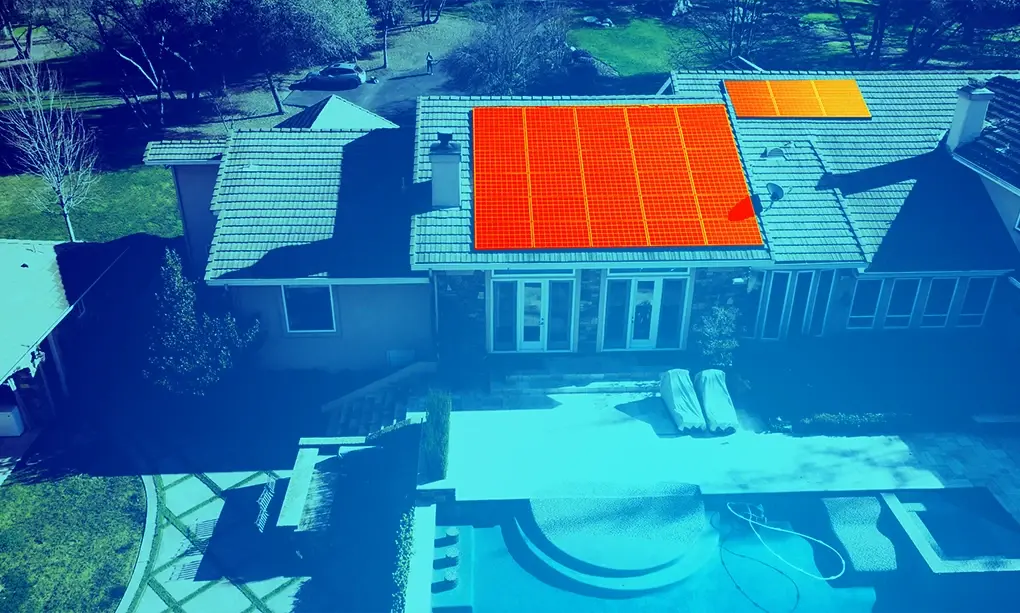
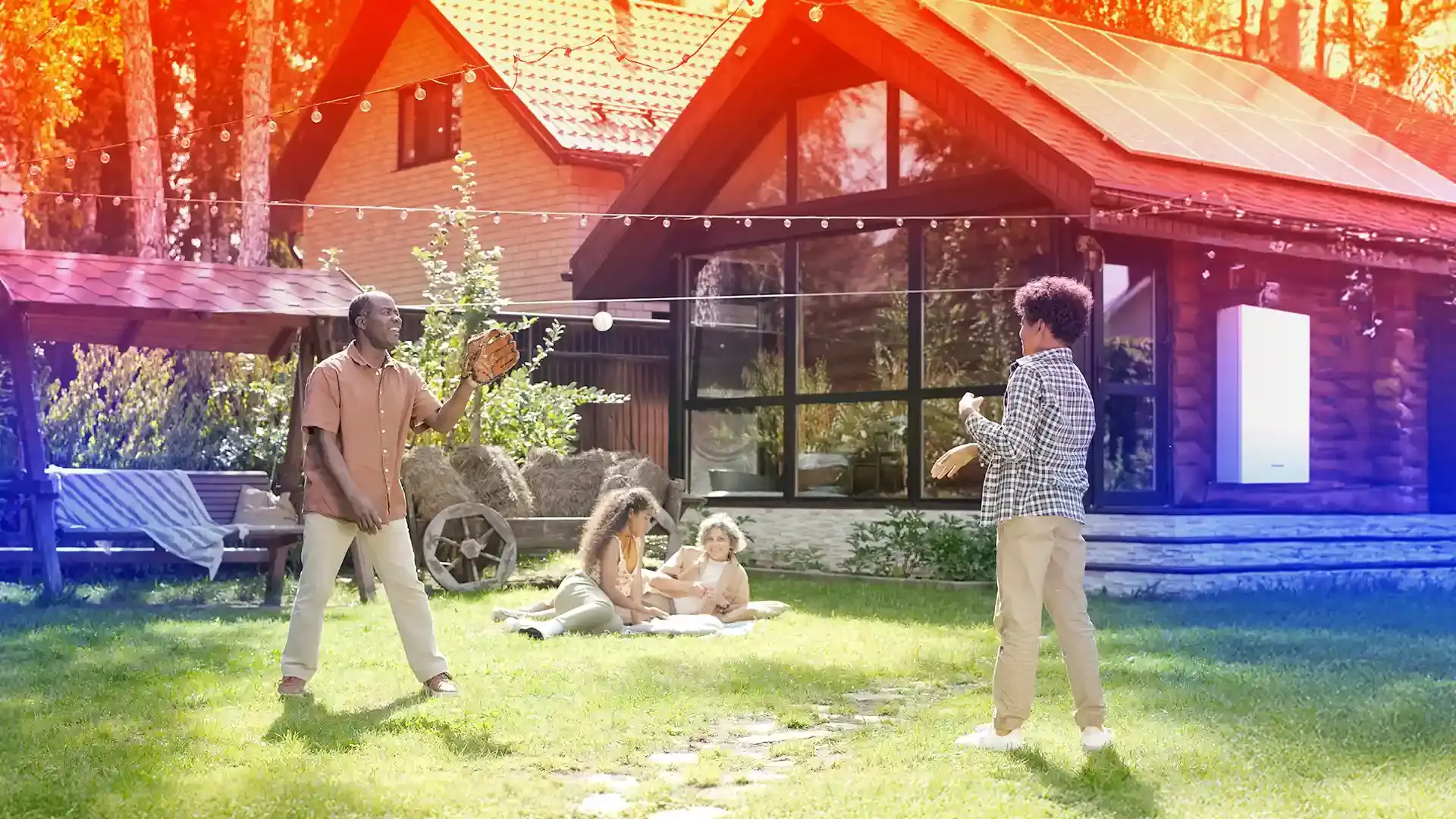
Installing a solar power system paired with a home battery can keep your essential devices powered when the grid goes down:
Maintain power automatically during blackouts
Prevent food and medication spoilage
Keep heating, cooling, and communication running
Reduce reliance on unpredictable utilities
Solar and battery systems store clean energy that can be used anytime — helping you avoid the disruptions and damage caused by prolonged outages.
Learn more about how home batteries keep your home powered.

Emergency Preparedness: What Every Homeowner Should Have
Even with modern energy systems, every household should follow FEMA’s power outage checklist for basic preparedness.
1. Safety First
Install carbon monoxide detectors with battery backup.
Know how to manually open your garage door.
Keep flashlights and extra batteries in multiple rooms.
2. Essentials Kit
Store at least three days’ worth of water and nonperishable food.
Keep a first-aid kit, medications, and important documents in a waterproof container.
Have cash available — ATMs and card systems may not work during outages.
3. Stay Connected
Keep a battery-powered or hand-crank radio for updates.
Charge backup power banks for phones and small devices.
If you have a home battery, ensure it’s fully charged ahead of forecasted storms.
For a quick guide, complete our emergency preparation checklist:
Find FEMA’s full emergency checklist here.
Why Energy Resilience Matters More Than Ever
Power disruptions aren’t just an inconvenience — they can threaten safety and cause costly damage. By combining traditional preparedness steps with modern technology like solar and battery storage, homeowners can stay connected, comfortable, and secure no matter what comes their way.